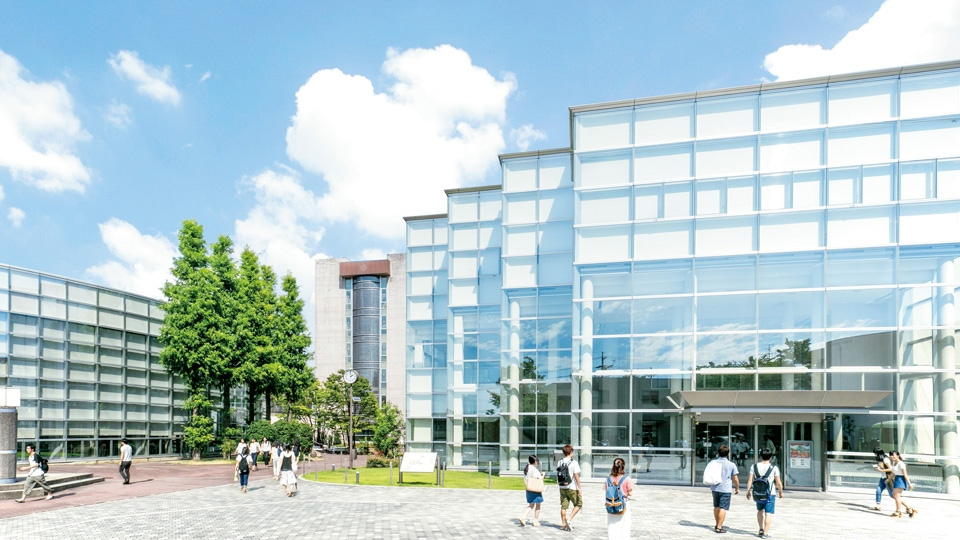

About TGU
The philosophy of Tokai Gakuen University
The founding philosophy of Tokai Gakuen University is “Tomoiki” (living together helping each other) and the ethos is “kinkenseijitsu” (diligence and sincerity). The university practices a comprehensive liberal arts education and specialized education that aim to foster a wide range of professionals for a global age.
History
- 1888
- Received approval as the Jodo-shu Secondary School Aichi Branch which opened in 1889.
- 1909
- Changed the name to Tokai Junior High School.
- 1947
- Opened Tokai Junior High School under the new school system.
- 1948
- Established Tokai High School under the new school system.
- 1962
- Established Tokai Girls’ High School.
- 1964
- Opened Tokai Gakuen Women’s Junior College (with a home economics course and English course).
- 1968
- Tokai Gakuen Women’s Junior College: Added a Japanese literature course.
- 1971
- Tokai Gakuen Women’s Junior College: Changed the name of departments to the Department of Home Economics, the Department of English, and the Department of Japanese Literature.
- 1991
- Tokai Gakuen Women’s Junior College: Changed the name of the Department of Home Economics to the Science of Living Department.
- 1995
- Tokai Gakuen University: Opened the School of Business Management.
- 2000
- Tokai Gakuen University: Opened the master’s degree program in the Graduate School of Business Management.
Tokai Gakuen University: Opened the School of Humanities.
Tokai Gakuen Women’s Junior College: Stopped recruiting students for the Department of Japanese Literature and the Department of English.
Tokai Girls’ High School: changed the name to Tokai Gakuen High School with the shift to coeducation. - 2001
- Tokai Gakuen Women’s Junior College: Changed the name of the Science of Living Department to the Department of Life Environmental Studies.
- 2004
- Tokai Gakuen University: Opened the School of Human Wellness.
Tokai Gakuen University Junior College: Stopped recruiting students. - 2005
- Tokai Gakuen University Junior College: Closed.
- 2008
- Tokai Gakuen University: Established the Department of Human Development and Education in the School of Humanities.
- 2011
- Tokai Gakuen University: Established the School of Health and Nutrition.
- 2012
- Tokai Gakuen University: Established School of Education and School of Sport and Health Science.
- 2014
- Tokai Gakuen University: Opened the Department of Psychology in the School of Humanities.
- 2018
- Tokai Gakuen University: Established School of psychology.
- 2023
- Tokai Gakuen University: Changed the name of the Department of Nutrition and Dietetics to the Department of Health and Nutrition.
Introduction to
Campus Facilities

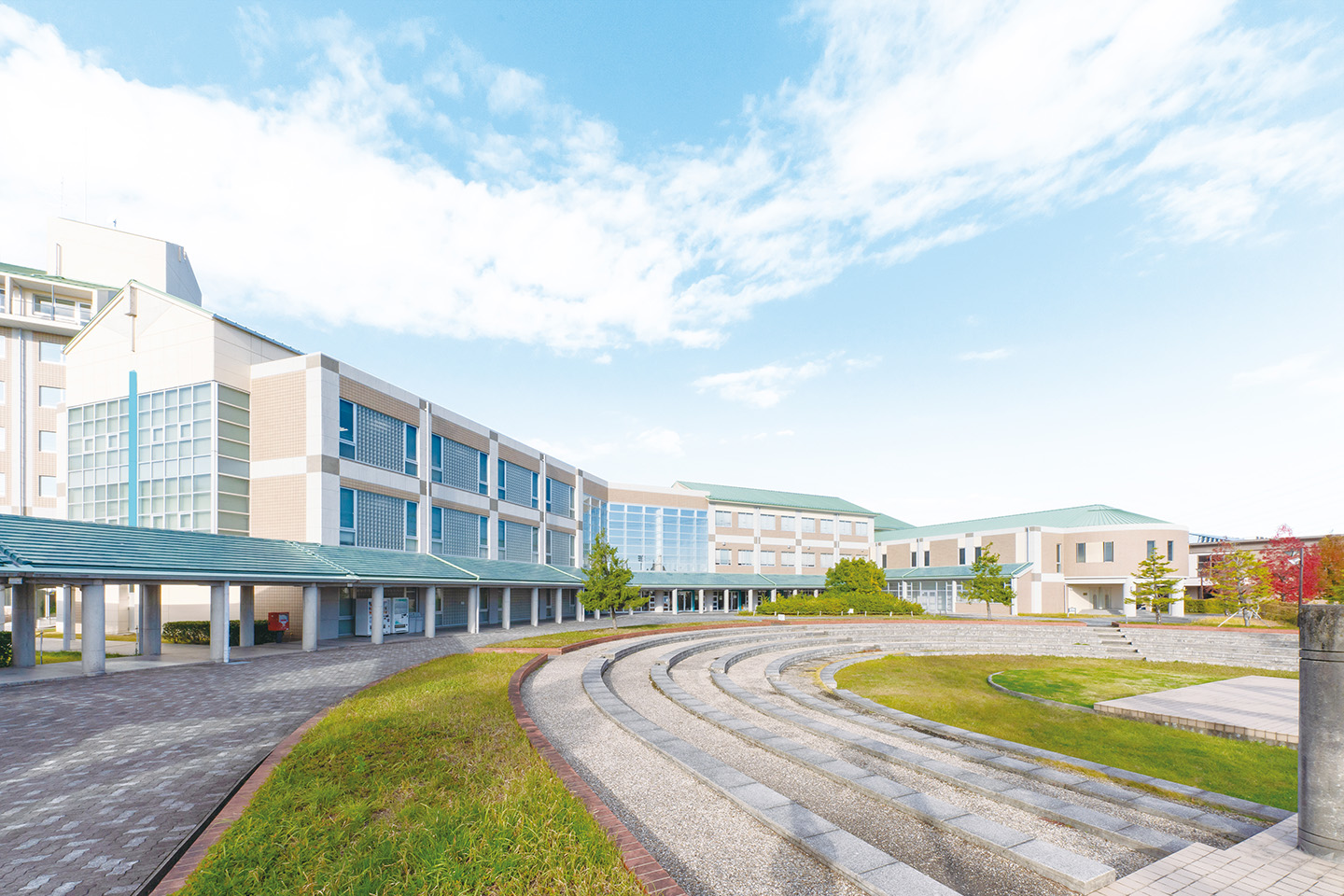
Miyoshi Campus
The extensive 170,000-m2 campus features an array of facilities that will be of diverse benefit to you during your four years at the university. There are six main buildings: Building No. 1, Building No. 2, Building No. 3, Building No. 4, Building No. 5, and the Student Union Building. The campus also has a gymnasium, sports grounds, pool, baseball field and other sports facilities, an outdoor stage, a parking lot and more.
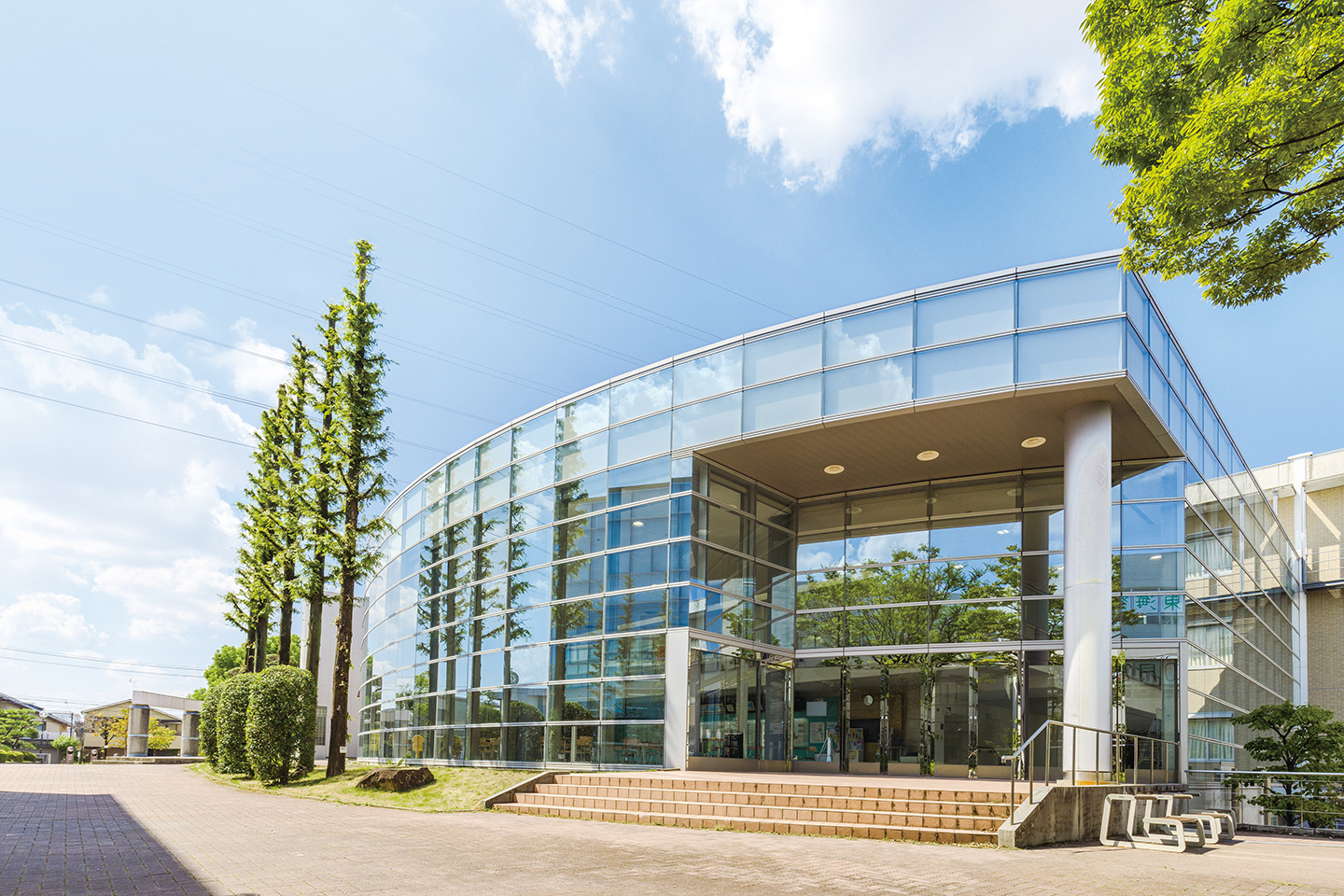
Nagoya Campus
The Nagoya Campus is located in a quiet residential neighborhood in the Tempaku Ward. Despite being only about 30 minutes from Nagoya Station, the campus is blessed with a natural environment including streams and hills. There are seven main buildings: Building No. 1, Building No. 2, Building No. 3, There Building No. 4, Building No. 5, Library, and the Student Union. The campus also has a gymnasium, sports grounds, tennis courts, and a sports ground and more.
Access
Miyoshi Campus
From Nagoya
Take the Subway Higashiyama Line to Fushimi Sta. or the Subway Sakuradori Line to Gokiso Sta., then transfer to the Subway Tsurumai Line for Toyota City. Get off at Miyoshigaoka Sta., then walk about 10 min.
From Toyota
Take the Meitetsu Toyota Line to Miyoshigaoka Sta., then walk about 10 min.
Nagoya Campus
From Nagoya
Take the Subway Higashiyama Line to Fushimi Sta. or the Subway Sakuradori Line to Gokiso Sta., transfer to the Subway Tsurumai Line, get off at Hara Sta., then walk about 15 min. or Take a city bus from Hara Sta. to Hirabari Minami Jutaku, then walk about 3 min.
From Toyota
Get off at Hara Sta. (direct train from Meitetsu Toyota Line), take a city bus from Hara Sta. to Hirabari Minami Jutaku, then walk about 3 min.
- Contact us
- Please send any questions by email at the following address:
koho@tokaigakuen-u.ac.jp